
Understanding Common Dog Behavioral Problems
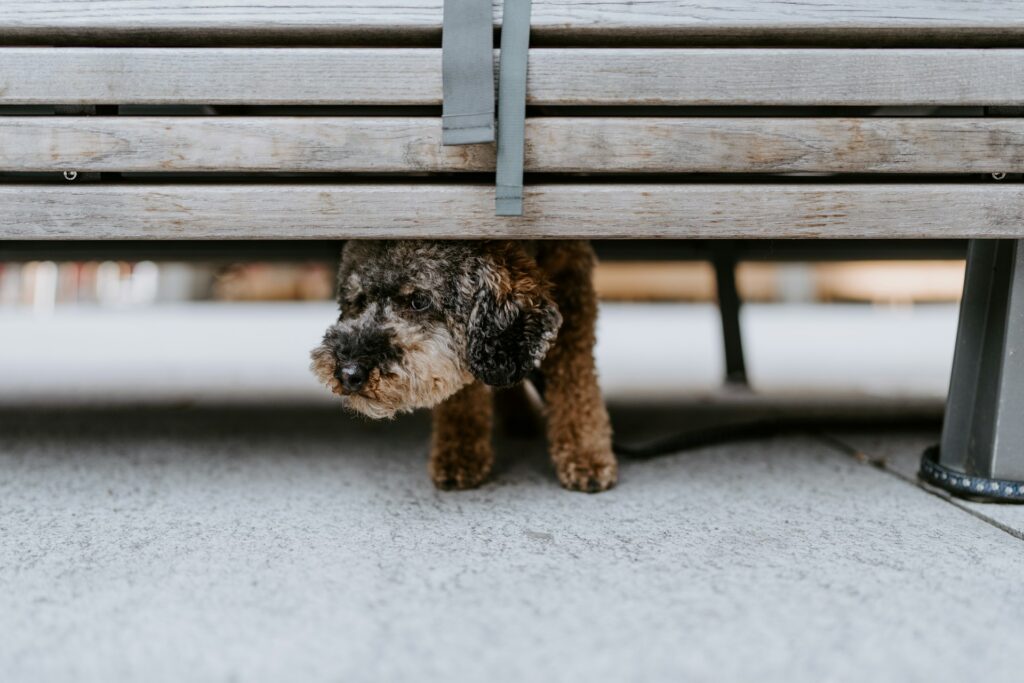
Dog behavior problems can have a significant impact on both a dog’s well-being and their guardians’ mental health. If your dog struggles to be alone, reacts with aggressive behavior, or barks incessantly when you’re on walks, you might feel like you’re falling short or running out of options.
Dogs live in a world that humans created, and although many are overjoyed to try and please their humans, they’re counting on us to help them understand it.
That’s why dog behavior problems are so common—in one survey study, around 86% of respondents said their dog had behavior issues, most commonly including excessive barking and eating non-food objects (known as pica). In another study, behavioral issues were the most common reason given for surrendering a pet.
Dog behavior problems can give the appearance of “disobedience” when many behavioral issues stem from fear, anxiety, under-stimulation, or even genetics. Many of these issues are interconnected. “The first thing dog guardians should do for any new behavior change is visit a vet to rule out any medical conditions that could be the underlying cause,” advises certified professional trainer and founder of DigUp, Amy Cowan, CPDT-KA. “Then, they can work closely with both the vet and a trainer to address specific behaviors.”
Dog behavior training takes time, patience, consistency, and effort, and many people find it helpful to seek professional guidance. DigUp is an invaluable tool for connecting confused canines and their guardians (you) to the most effective and humane certified dog trainers in NYC.
Table of contents
- Reactivity and Aggressive Behavior in Dogs
- Anxiety
- Separation Anxiety
- Handling Sensitivity
- Managing Interactions Between Dogs and Children
- New Puppy: How to Prevent Behavioral Problems
- When to Contact a Certified Trainer About Behavioral Problems
- How to Avoid The Most Common Dog Training Mistake for Behavioral Problems
- Takeaway
Reactivity and Aggressive Behavior in Dogs
Aggressive behaviors include any of your dog’s actions that aim to get further away from a trigger, hurt or damage a trigger, or prevent escalation through assertive behavior.
A dog’s aggression encompasses a broad spectrum of behaviors, ranging from subtle changes in body posture and facial expressions to various vocalizations and biting. In the United States, it’s also the most common behavioral condition that’s referred to professionals, accounting for approximately 70% of cases.
Around 5 million people visit a hospital every year seeking treatment for a dog bite, and vets may recommend euthanasia for some dogs who pose too significant a risk for their cohabiting humans or who have an excessively poor quality of life due to their aggression. Addressing reactivity and aggression should be a priority.
Why it happens
Aggression is part of a dog’s normal emotional repertoire. Sometimes, aggression is even an appropriate response—for example, within acceptable limits during play or if there’s a burglar in your home. It’s when this aggression is part of a reactive response that it can become socially unacceptable and even dangerous. It’s a common animal behavior dogs also demonstrate.
If a dog is reactive, it means they overreact to stimuli that wouldn’t affect other dogs. Some types of reactivity can be more common in city dogs than others. “Many people who come to NYC dog trainers find that leash reactivity is an issue,” advises Amy. This means that dogs are comfortable around other dogs when they are freely running around, but become reactive when wearing a leash. “Dogs may not feel like they’re able to express normal body language or greet each other naturally when confined by a leash.”
Reactivity is not the same as aggression, although people often use the terms interchangeably. Reactive dogs aren’t always aggressive dogs, but they can become aggressive if you don’t take steps to address the underlying cause.
A dog can show many different types of aggression, including:
- Fear-related aggression: This occurs when a dog feels threatened and is the cause of most types of aggression. Dogs may try to avoid the stimulus at first but show signs of aggression if they can’t get away, such as while on a leash or cornered.
- Possessive aggression: Also known as resource guarding, this involves a dog showing aggression to hold on to an object they want to keep, like food, chew toys, stolen socks, or beds. Dog food aggression is especially common.
- Pain-induced aggression: If a dog is in pain due to a medical condition like dental disease, joint issues, physical trauma, or allergies, they may show aggression if you handle them or they expect to be handled.
However, these are three types among many. Noting the stimulus of aggressive behavior in dogs may help you identify the root cause of why it’s happening and take steps to manage it.
How to recognize it
These are some of the body language cues that can indicate aggression:
- Still, rigid posture
- A guttural, threatening bark
- Lunging
- Mouthing
- Punching an individual using their nose
- Growling
- Baring their teeth
- Snarling
- Snapping
- Nipping without breaking skin
- Bites that puncture the skin or create enough pressure
- Repeated, rapid bites
- Biting and shaking
You should recognize and listen to your dog’s subtler warning signs before they escalate.
What you can do
Managing aggression is crucial.
You can first try identifying or avoiding triggers. For example, if your dog dislikes large breeds or strangers coming up to pet them, taking steps to avoid them on walks can help your dog stay calm. However, especially in a hectic city like New York, this might not always be possible.
With timely dog training, biting is far from an inevitable outcome. Canine behavior training can help you work with the dog to reduce overstimulation and arousal, alter the dog’s response to a trigger (known as counterconditioning), or teach an alternate behavior. Check in with a vet, too, as an underlying medical problem may be contributing to aggression, and managing the cause might help to reduce it.
If reducing the behavior isn’t possible right away, a muzzle may help to protect you, other people, and other dogs. “I usually recommend basket muzzles where dogs can still pant, eat, and drink through the muzzle,” suggests Amy. “However, dogs should be properly conditioned to really love their muzzles before wearing them in any sort of stressful situation.”
A certified professional can help support counterconditioning, encourage settling behaviors, and get the dog used to equipment like a muzzle.
Anxiety
Anxiety is for dogs as it often is in humans: Nerves and fearfulness concerning specific triggers. While anxious behaviors can cause difficulties, like wrecked sofas or excessive barking, plenty of methods are available for helping your dog feel more confident and comfortable in their daily life.
While you might be feeling distressed about the extra bill for fixing the baseboards your dog destroyed while you were out, you’re not alone. According to a Finnish survey including 13,700 pet dogs, around 72.5% of them experienced anxiety.
Anxiety can also be an underlying cause of aggression, so addressing anxiety with humane training methods and/or medications may be appropriate.
Why it happens
The three main causes of dog anxiety include:
- Fear: Loud noises, canine or human strangers, certain visual triggers like hats or beards, situations including visiting the vet or groomer, or unfamiliar environments can trigger anxious behaviors.
- Separation: Being away from their loved one can stress dogs out. (Learn more in the next section.)
- Aging: Older dogs can experience a condition called cognitive dysfunction syndrome (CDS), which leads to a decline in learning, awareness, and memory that can cause anxiety.
These may develop due to a lack of socialization during the puppy years or negative experiences surrounding exposure to a certain stimulus.
How to recognize it
Aside from aggression, other behaviors can stem from anxiety, including:
- Destroying objects and furniture
- Drooling
- Peeing or pooping inside the house
- Pulling the ears back or down
- Barking excessively
- Repeatedly licking the lips
- Panting
- Whining
- Shaking
- Showing the whites of the eyes
What you can do
The first port of call for anxiety should be a vet, as an underlying health problem, including an anxiety disorder, is often responsible. Guardians can work alongside a veterinarian and a dog behavior specialist to try different anxiety management methods, which may sometimes include medications.
Counterconditioning and desensitization (exposing a dog to a potential trigger in small doses and rewarding positive behavior toward the trigger) are some of the methods a trainer may recommend for supporting your dog during anxiety.
Separation Anxiety
Separation anxiety is a behavioral disorder characterized by excessive distress and anxiety when a dog is left alone. Separation anxiety can have a profound impact on individuals who strive to balance dog parenting with their daily commute and social engagements. The distress may be especially evident while their human is getting ready to leave.
Around 14% of dogs have separation anxiety.
Why it happens
Experts aren’t entirely sure why separation anxiety develops. Any dog can develop separation anxiety, and it’s not specific to any one breed, environment, history, or upbringing.
For example, you might not note any signs of separation anxiety for many years. However, a bereavement, a house move, or work schedule change can trigger separation anxiety.
Even well-socialized, crate-trained dogs with plenty of toys and stimulation can develop separation anxiety and could require training to cope with it. And dogs who’ve closely bonded with their humans aren’t any more likely to develop separation anxiety than those who aren’t.
You can’t prevent it, but you can teach dogs that alone time is safe and prepare them for it as much as possible.
How to recognize it
Dogs with separation anxiety may demonstrate the following behaviors while their human is away from home:
- Peeing or pooping inside when they usually don’t
- Barking
- Howling
- Chewing furniture
- Drooling
- Pacing
- Digging
- Eating their poop
- Excessive excitement upon their human’s return
Some dogs with separation anxiety attempt escape, breaking through windows or doors and damaging both property and themselves in the process.
Using a camera to observe the dog while you’re away from home may help you identify these behaviors and take steps to address them.
What you can do
Gradually desensitizing a dog to your absence, starting with short distances and times and gradually increasing them, can help your dog become accustomed to being alone.
Puzzle toys or KONG toys filled with frozen treats can also help you countercondition a dog to look forward to alone time and distract them in cases of mild separation anxiety. Keeping them busy and engaged with walks, exercise, puzzles, or kibble hunts can also use up energy that could otherwise fuel distress.
Dogs with moderate to severe separation anxiety may benefit from a dedicated program carried out by a certified professional with experience in managing separation anxiety. Some certifications are specific to separation anxiety, such as Certified Separation Anxiety Trainer (CSAT) or Certified Separation Anxiety Pro Behavior Consultant (CSAP-BC).
Arranging for sitters or trusted family members to join your dog at home or boarding them at a daycare can help ease them into greater comfort while you’re away.
Some dogs have such severe separation anxiety that medication may be necessary before you can attempt to reduce their distress through training. In these instances, discuss with your dog’s vet and trainer whether medications might help your dog’s separation anxiety.
Handling Sensitivity
Some dogs are highly reactive during handling, such as at the vet, groomer, or even at home when you’re trimming nails or checking for ticks. They might not like being touched in certain spots. Severe handling sensitivity can deter dogs from wanting to be touched at all.
Amy advises that a tolerance for handling is necessary for canine health and well being . “Grooming and vet visits are essential parts of overall health,” she advises, “so it’s important to address handling sensitivity early to be prepared for any sort of emergency scenario.”
Why it happens
While this can sometimes be a sign of underlying pain or medical issues, it can also be a trauma response following negative experiences in their past. Dogs with handling sensitivity may also have generalised anxiety.
How to recognize it
A dog may show they’re uncomfortable with being touched in the following ways:
- Yawning
- Licking the lips
- Squirming or struggling
- Showing the whites of the eyes
- Trying to move away
- Lowering the body and tucking the tail
- Rolling over and showing the belly
This may progress to freezing, growling, snarling, air snapping, or biting. By noting and listening to less extreme behaviors, you can prevent the more aggressive ones.
What you can do
Counterconditioning and desensitization can help your dog learn to react positively to handling. Teach them to associate your touch with positive outcomes by touching them and then giving a treat, starting with the areas they tolerate well and moving to more sensitive areas over time.
You can increase the duration of touch by a few seconds each time and progress to holding a paw or a certain area. If they seem uncomfortable, move backward in the process until they’re comfortable and proceed at a slower pace.
Home workarounds may also help. For example, if a small dog wants to be on the sofa but doesn’t enjoy being picked up, a dog ramp or steps can help them reach their desired throne. Dogs who don’t enjoy having a harness put on may benefit from just a collar or different types of harnesses.
Dogs are individuals. If your dog doesn’t enjoy petting, find other ways to engage with them, like play, walks, or training.
Choosing a Fear-FreeTM Certified groomer who uses positive reinforcement techniques can also support a dog who’s handling-sensitive. You can find certified NYC groomers on DigUp today.
Managing Interactions Between Dogs and Children
Dogs and children can be best friends, and dogs can teach children about responsibility, provide companionship, and support emotional development. But an improperly managed dog-child relationship can add a lot of stress to the household.
A 2021 study found that U.S. families with children were almost twice as likely as those without to give up their pets, and that aggression could significantly contribute to this.
Managing this relationship from the outset is essential. In fact, the preparation should start before a dog enters a home with children, or before the arrival of a new baby into a home with a dog. “Certified Family Paws trainers can help prepare households with dogs before new babies come home, and households with children prepare for a new dog,” recommends Amy.
If you already have kids
Teach children how to read a dog’s body language and respect their boundaries.
Kids of every age might find it stimulating and enjoyable to be part of the training process. As long as this is supervised, involving children in a dog’s training can be great fun for everyone involved.
If you’re expecting a newborn
Babies are especially fragile, and your attention will now be divided between your previous (furry) baby and the forthcoming one. Some cues that may be helpful to work on with your dog ahead of the new arrival could include:
- Sit
- Down
- Stay
- Wait
- Settle
- Leave it
- Drop it
- Polite greetings
- Relax (in a crate)
- Come
Dogs may also experience anxiety due to this sometimes overwhelming change, and you may have to prepare your dog for changes in routine, including different feeding and walking times and sleeping arrangements.
A slow, calm, positive, and closely managed introduction, as well as consistent positive reinforcement during daily life, can support the healthy integration of a dog and a baby and result in both forming a lifelong friendship.
However, there’s a lot to think about, especially while you’re juggling dog training with new parenthood. Consider consulting a certified Family Paws trainer to create a customized plan tailored to your dog’s specific needs.
New Puppy: How to Prevent Behavioral Problems
Puppies are high-energy and still learning about the world, including the people and other dogs in it. They’re blank slates, and nurturing their development into polite, happy adults through puppy training is an exhilarating phase to be part of.
According to the American Veterinary Society of Animal Behavior (AVSAB), the critical window for socializing puppies begins before they are three months old, even if the puppy has not yet received its full vaccination series. Puppies can start socialization classes as early as seven to eight weeks of age, after a single round of vaccinations.
The benefits of safe, early socialization far outweigh the minimal risk of disease. “Puppy parents can start socializing their pups right away by carefully exposing them to new sights, sounds, and people,” Amy suggests. She recommends carrying a pup in a secure bag during outings or enrolling in puppy socialization classes that require health checks to minimize the risk of infection.
Early, positive exposure helps build confidence and prevents fear-based behaviors later on. “I really emphasize socialization to literally everything, including grooming equipment and touch/handling,” maintains Amy. “There aren’t specific cues they need to learn. It’s more about both the dog and the human learning how to learn. However, simple cues like sit, down, and look are a great place to start.”
If a puppy regularly shows more intense aggressive behavior (such as biting harder than usual with a stiff posture during handling), a certified professional dog trainer can help to address these behaviors before adulthood. Even if they’re not yet exhibiting common canine behavior problems, training a puppy in boundaries and basic manners with positive reinforcement can set them up for a successful adult life.
When to Contact a Certified Trainer About Behavioral Problems
Training can benefit any dog, and many dogs find it both enriching and enjoyable. A certified trainer can provide support at any stage of the journey. However, if they’re showing signs of behavioral problems, especially those that are having a serious impact on your life or the dog’s well-being, you might welcome the extra help.
This could include:
- Aggression
- Excessive barking
- Destructiveness
- Extreme fear around specific triggers, or phobias
Certified trainers have specialized education in scientifically backed, humane, and effective methods that can help address specific behavioral problems directly. They use Least Intrusive, Minimally Aversive (LIMA) methods, which avoid punishment and generally rely on desensitization, counter-conditioning, and reinforcing desirable behaviors.
There’s a wealth of resources available online, but they don’t know your dog specifically and can’t tailor a plan to help them thrive. And sometimes, humans need training too—training can help foster the bond between dog and human and be enriching for both parties.
You shouldn’t wait to request the services of a trainer before getting started, either. “If you’re taking the time to find the right trainer (or the trainer has a lead time), think about management to prevent escalation of behaviors and ensure safety,” advises Amy. “It’s crucial to avoid using punishment, especially if your dog is throwing out stress signals like growling or snapping.”
You can find a certified NYC dog trainer here.
How to Avoid The Most Common Dog Training Mistake for Behavioral Problems
Some dog guardians become frustrated when the target behavior doesn’t change, or feel like it’s taking far longer than it should. However, every dog is an individual, and there is no fixed timeframe for their understanding of improved manners.
Amy Cowan advises that consistency is central to lasting behavioral change, especially between sessions. “For consistency, all people in the household who interact with the dog should be involved with training and be following the same management guidelines and training advice,” she recommends.
Amy suggests setting aside as little as five minutes every day to work on training and finding a trainer with whom you mesh well, who motivates both you and your dog. “A good trainer should make training seem not only doable, but also fun and rewarding for all parties.”
Takeaway
- Aggression and reactivity are common behavioral issues, although they’re not the same thing, and certified trainers are equipped to help a household deal with both. Others include anxious behaviors, including those attached to separation anxiety, and handling sensitivity. DigUp allows you to filter your search by specific behavioral issues so you know you’re connecting with a trainer who’s experienced in treating them.
- Take special measures when introducing dogs and children. Certain trainers, such as certified Family Paws trainers, specialize in helping children and dogs develop safe boundaries.
- Sometimes, a medical problem is behind behavioral issues. See a veterinarian to rule out underlying health concerns in addition to seeking a trainer.
- Getting a dog started with a certified trainer early in their puppyhood can go a long way toward preventing behavioral problems further down the line.